
The Role of Brazilian Sugar in Global Markets: Understanding Brazilian Sugar Impact

Brazilian sugar plays a crucial role in the global sugar market. It is one of the largest producers and exporters of sugar worldwide. This blog post explores the impact of Brazilian sugar on global markets. I will explain how Brazilian sugar influences prices, supply chains, and industrial demand. I will also discuss the factors that make Brazilian sugar a preferred choice for many international buyers.
The Brazilian Sugar Impact on Global Supply and Prices
Brazil is the world’s leading sugar producer. It accounts for a significant share of global sugar exports. This dominance affects global sugar prices and supply stability. When Brazil increases production, global sugar prices tend to drop. Conversely, if Brazil faces production issues, prices often rise.
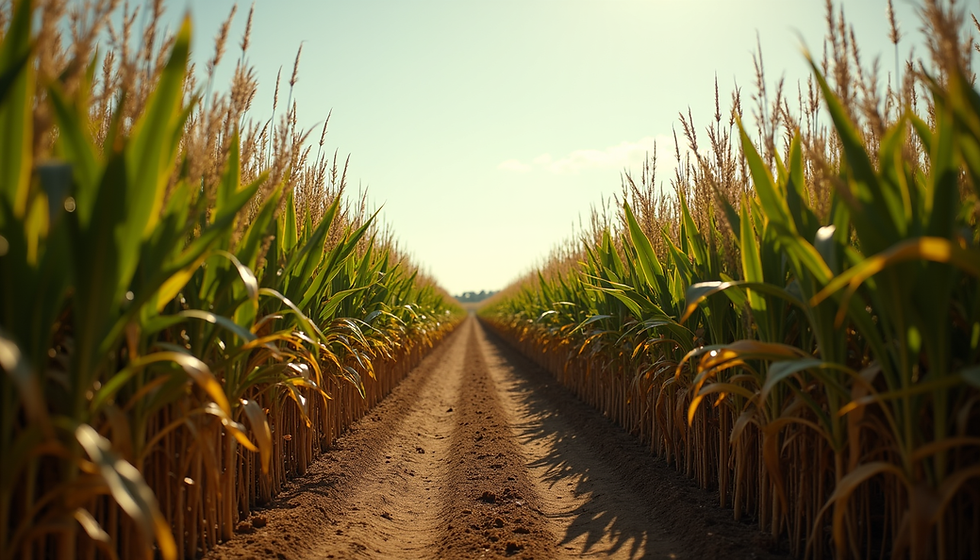
Brazil’s climate and geography allow for large-scale sugarcane cultivation. The country’s mills operate efficiently, producing high volumes of sugar. This efficiency helps Brazil maintain competitive pricing. Buyers benefit from reliable supply and cost advantages.
Brazilian sugar exporters work closely with international buyers. They offer flexible contracts and competitive terms. This cooperation strengthens Brazil’s position in the global market. It also helps buyers secure long-term supply agreements.

Factors Driving the Brazilian Sugar Impact
Several factors drive the impact of Brazilian sugar on global markets. First, Brazil’s vast land area dedicated to sugarcane farming supports high production levels. Second, technological advancements in farming and milling improve yield and quality.
Brazil also benefits from favorable trade agreements. These agreements reduce tariffs and barriers for sugar exports. As a result, Brazilian sugar reaches many international markets with ease.
Another factor is Brazil’s ability to produce both sugar and ethanol. This dual production allows mills to adjust output based on market demand. When sugar prices are low, more sugarcane is used for ethanol. When prices rise, sugar production increases. This flexibility stabilizes supply and prices globally.
What does a full Brazilian include?
This section is skipped as per instructions.
How Brazilian Sugar Meets Industrial Needs
Global industrial sugar buyers require consistent quality and volume. Brazilian sugar meets these needs effectively. The sugar produced in Brazil is known for its high purity and consistency. This makes it ideal for food processing, beverage production, and other industrial uses.
Brazilian mills offer various sugar grades. These grades cater to different industrial applications. Buyers can choose raw sugar, refined sugar, or specialty sugars. This variety supports diverse manufacturing processes.
Moreover, Brazilian sugar exporters provide logistical support. They help buyers navigate shipping, customs, and storage. This support reduces risks and ensures timely delivery. For industrial buyers, this reliability is critical.

Strategic Recommendations for Global Buyers
If you are a global industrial sugar buyer, consider the following when sourcing Brazilian sugar:
Establish direct relationships with mills - This can reduce costs and improve supply reliability.
Monitor Brazilian harvest cycles - Understanding seasonal trends helps in planning purchases.
Leverage trade agreements - Use existing agreements to minimize tariffs and fees.
Request quality certifications - Ensure the sugar meets your product standards.
Plan logistics carefully - Work with exporters to optimize shipping and storage.
By following these steps, buyers can maximize the benefits of Brazilian sugar. They can secure competitive prices and maintain steady supply chains.
The Future Outlook of Brazilian Sugar in Global Markets
The future of Brazilian sugar in global markets looks promising. Brazil continues to invest in technology and infrastructure. These investments will likely increase production capacity and efficiency.
Global demand for sugar remains strong, especially in emerging markets. Brazilian sugar exporters are well-positioned to meet this demand. They aim to be the top global supplier of high-quality sugar. Their focus is on connecting international buyers directly with mills. This approach builds trust and long-term partnerships.
Sustainability is also becoming a priority. Brazilian producers are adopting eco-friendly practices. These include reducing water use and lowering carbon emissions. Sustainable production will enhance Brazil’s reputation and market share.
In summary, Brazilian sugar will continue to shape global markets. Its impact on prices, supply, and industrial demand is significant. Buyers who understand this impact can make informed sourcing decisions. This knowledge helps secure the best value and reliable supply.
For more information on Brazilian sugar and how it can benefit your business, visit brazilian.


Comments